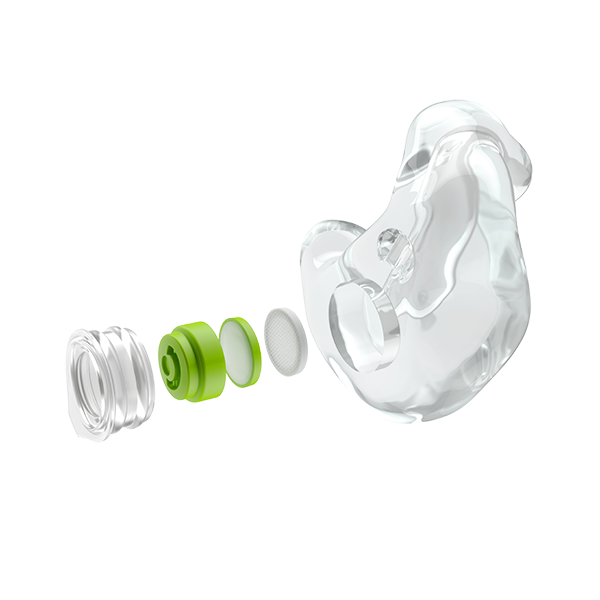
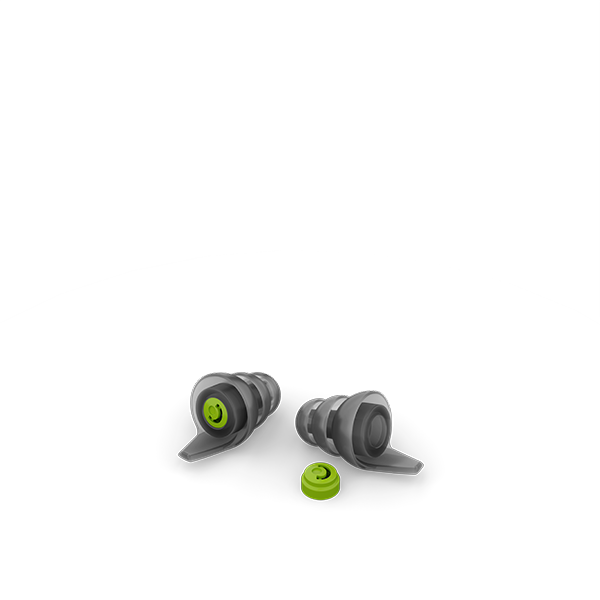
Earplugs are a simple yet highly effective way to protect your hearing from excessive noise exposure, which can lead to permanent hearing damage.
Today, there are different types of earplugs designed to meet a wide range of needs, whether for work, music, sleep, swimming, or everyday activities.
Prolonged exposure to high noise levels can lead to:
Earplugs work as a preventive measure by reducing sound levels to a safer range and protecting the delicate cells of the inner ear from noise-related damage.
By wearing earplugs when needed, you can help preserve your hearing health and continue enjoying clear communication and the sounds that matter most throughout your life.

People working on construction sites, in factories, workshops, airports, or industrial environments are often exposed to high noise levels for many hours each day. Wearing earplugs plays an important role in preventing occupational hearing loss and protecting long-term hearing health.
Sound levels at concerts, nightclubs, and festivals can exceed safe listening limits. Specially designed musician's earplugs reduce the volume while preserving the clarity and quality of the music.
Wind noise at high speeds can strain hearing and contribute to fatigue. Earplugs designed specifically for motorcyclists provide greater comfort and help protect against prolonged noise exposure.
People who struggle to sleep because of environmental noise, snoring, or traffic can benefit from sleep earplugs, which help create a quieter environment for more restful and uninterrupted sleep.
Swimming earplugs help prevent water from entering the ear canal, reducing the risk of irritation and ear infections. They are particularly beneficial for children and individuals with sensitive ears or a history of ear-related problems.